Living with an Abusive Woman: The Other Side of Domestic Violence
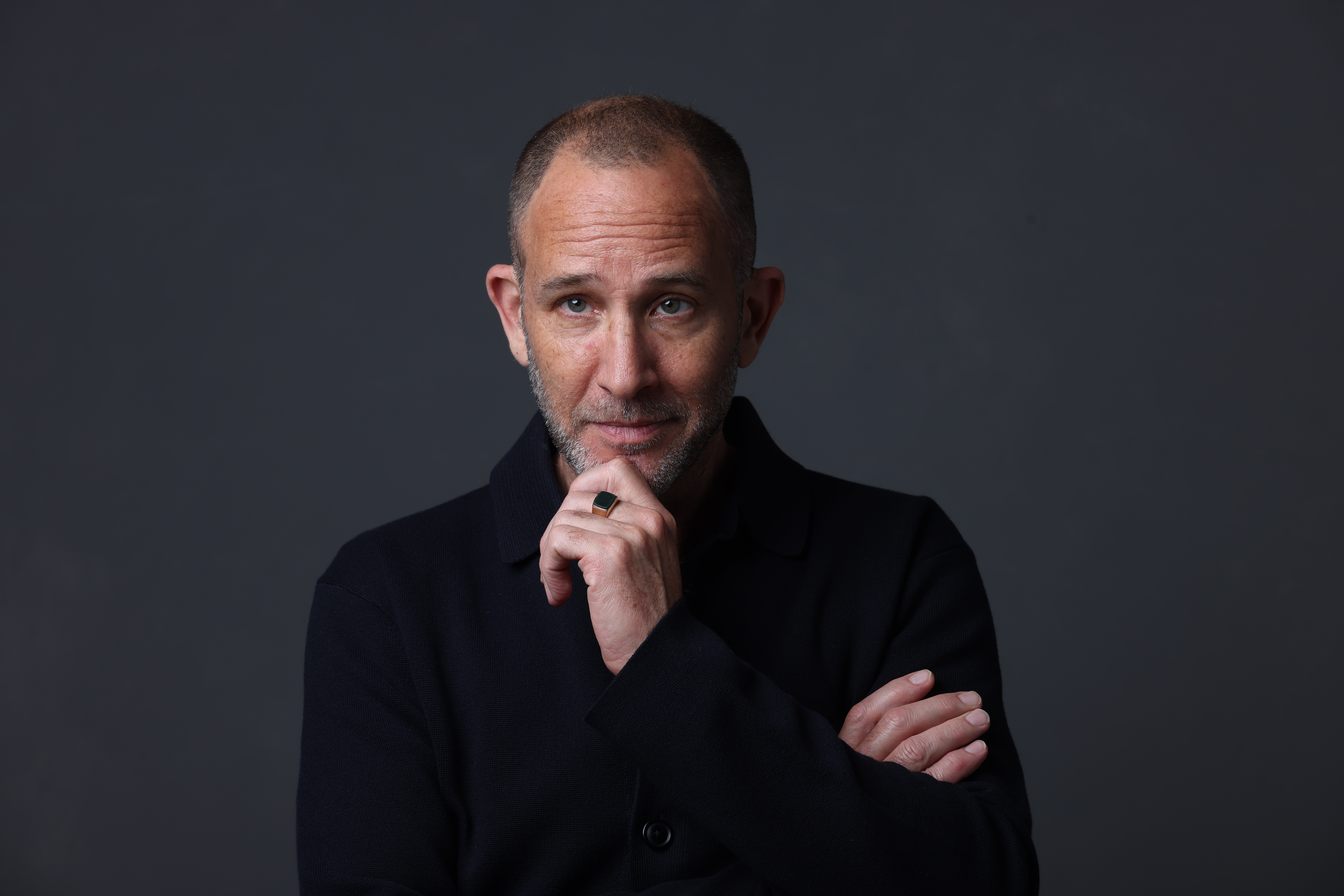
A Guest Blog by Benjamin Bailey, PhD
When the victim doesn’t fit the picture
What happens when the victim of domestic abuse is a man and the abusive partner is a woman?
For more than 25 years, through my work as a psychotherapist, researcher, court-appointed expert, and advocate, I have encountered men living in relationships characterized by humiliation, control, intimidation, aggression, and, at times, physical violence. Again and again, I encountered another problem alongside the abuse itself: neither the men nor the people around them had an easy framework for understanding what was happening.
That difficulty eventually led me to write Living with an Abusive Woman: The Other Side of Domestic Violence.
Female aggression and violence in intimate relationships are neither marginal nor negligible. Yet men living with abusive women remain largely absent from our cultural picture of domestic violence. The phenomenon challenges deeply rooted assumptions about masculinity and femininity: men are expected to be stronger, women less threatening; men are presumed capable of defending themselves, and women more naturally evoke sympathy as victims.
As a result, abuse of men by women has no real lobby, evokes relatively little public sympathy, and sits uneasily within the dominant discourse on domestic violence. Men themselves often have difficulty identifying what they are experiencing as abuse, and even greater difficulty asking for help.
The men behind the statistics
I chose to begin the book not with research findings or theory, but with the voices of men themselves.
The first chapter, “Men Living with an Abusive Partner: 10 Representative Cases,” is the emotional core of the book. It presents ten detailed accounts drawn from clinical testimonies. I wanted readers—particularly those who had never encountered such relationships—to first enter the lives of these men before turning to the research.
One man describes living in what he calls a “madhouse,” repeatedly assaulted by his wife, yet finding that when the police become involved, it is he who is interrogated.
Another has a plate smashed into his face while feeding his son. Although his wife admits what she did to the police, she is subsequently placed in a shelter and receives custody of their children for two years. Another, documents that his wife lied to police using timestamped photographs, yet still finds himself restricted to one supervised hour a week with his son for eighteen months.
Across the ten stories, recurring patterns emerge: coercive control, emotional degradation, shame, financial abuse, physical aggression, difficulty obtaining protection, institutional mistrust, and the helplessness of being perceived as the abuser despite experiencing oneself as the primary victim.
These stories are followed by chapters examining research findings on intimate partner violence, women's violent behavior in relationships, the psychological consequences for men, the importance of fatherhood, and the attitudes of professionals toward men as victims.
What we miss when we don’t recognize male victims
One of the central arguments of the book is that we need a broader understanding of harm in intimate relationships.
A woman does not have to make a man physically afraid for her behavior to cause serious damage. Persistent humiliation, degradation, threats, control, financial abuse, interference with his relationship with his children, or repeated aggression can profoundly disrupt a man's psychological wellbeing and his ability to function as a partner, father, and person.
Men also frequently struggle to ask for help. Shame plays an important role. A man may find it difficult even to say, My wife abuses me, because the statement itself conflicts with what he believes a man is supposed to be. He may expect disbelief, ridicule, or the question: Why don't you simply leave?
Professionals therefore have an important responsibility. The tendency to normalize, minimize, or overlook women's aggression is deeply rooted and, in some ways, understandable—but it is not professionally sound. Assessment should begin with what is happening in a particular relationship, not with assumptions about who the victim and perpetrator are supposed to be.
There is also another person in the room who is too easily forgotten: the child. Children are harmed by living in an atmosphere of hostility, humiliation, intimidation, and emotionally abusive communication between their parents, even when they do not witness severe physical violence.
Holding women accountable for abusive behavior is therefore not an argument against protecting women. Nor is recognizing male victims a competition over which sex suffers more. Both are part of the same goal: understanding intimate partner violence accurately enough to prevent it and respond to it effectively.
The book ends by moving beyond domestic violence to a broader question about men and women in contemporary Western societies. I titled the Afterword “The Anti-Male Spirit of Our Times – Throwing the Baby Out with the Bathwater.”
Over the past several decades, enormous and necessary changes have taken place in women's social position and in our understanding of gender equality. I identify myself with many of these changes. But alongside them, a gender discourse has developed that too readily portrays men collectively through their power, privilege, aggression, and shortcomings.
What this picture often misses are the many positive contributions men make to their families and communities, as well as the functional and beneficial aspects of traditional masculine socialization—responsibility, protection, perseverance, courage, and willingness to carry burdens. Most men are neither hostile to women nor opposed to gender equality. They want their partners and children to thrive, and many invest enormous effort and take considerable responsibility for making that happen. They also want these efforts to be seen and acknowledged. At the same time, we pay far less attention to men's vulnerability and distress, their confusion about changing expectations, and the challenges they face as their roles in families and society continue to change.
This matters beyond the question of fairness to men. It affects relationships, families, children, and our ability to understand one another.
The Afterword therefore examines violence against women as a central argument in theories of patriarchy and women's oppression; changes in gender equality; differences between liberal and radical feminism; the concept of male privilege; and, finally, the question of what healthy masculinity might mean in a world of increasing gender equality.
We speak extensively -and rightly- about male physical and sexual violence. We speak much less about what men contribute, what they need from relationships and society, and how we can help them develop a healthy and meaningful masculinity within a world of greater gender equality. Recognizing these questions does not require reversing the progress women have made. Equality should broaden our capacity for empathy, not determine in advance who is entitled to it.
Why I wrote the book
I wrote Living with an Abusive Woman primarily for professionals—therapists, social workers, researchers, legal professionals, and policymakers—with the hope of broadening the way we think about intimate partner violence.
But I also wrote it for men who recognize something of themselves in these stories, and for the people around them: parents, siblings, sons and daughters, friends, and others who may sense that something is deeply wrong without having a language for it.
For readers who find it difficult to identify with a man living in such a relationship, I suggest one simple exercise: Imagine that the man is your son, your brother, or your nephew.
Living with an Abusive Woman: The Other Side of Domestic Violence is available on Amazon.
About the author: Benjamin Bailey, PhD, is an Israeli psychotherapist, academic researcher, and court-appointed expert whose work has focused particularly on domestic violence, children exposed to violence, and men living in high-conflict family relationships. He is Chairman of By Your Side, an Israeli NGO supporting men in distress.


Comments