Why I Didn't Know I Was Being Abused - A guest blog by Jonathan Gloss
- Jonathan Gloss
- 2 days ago
- 3 min read

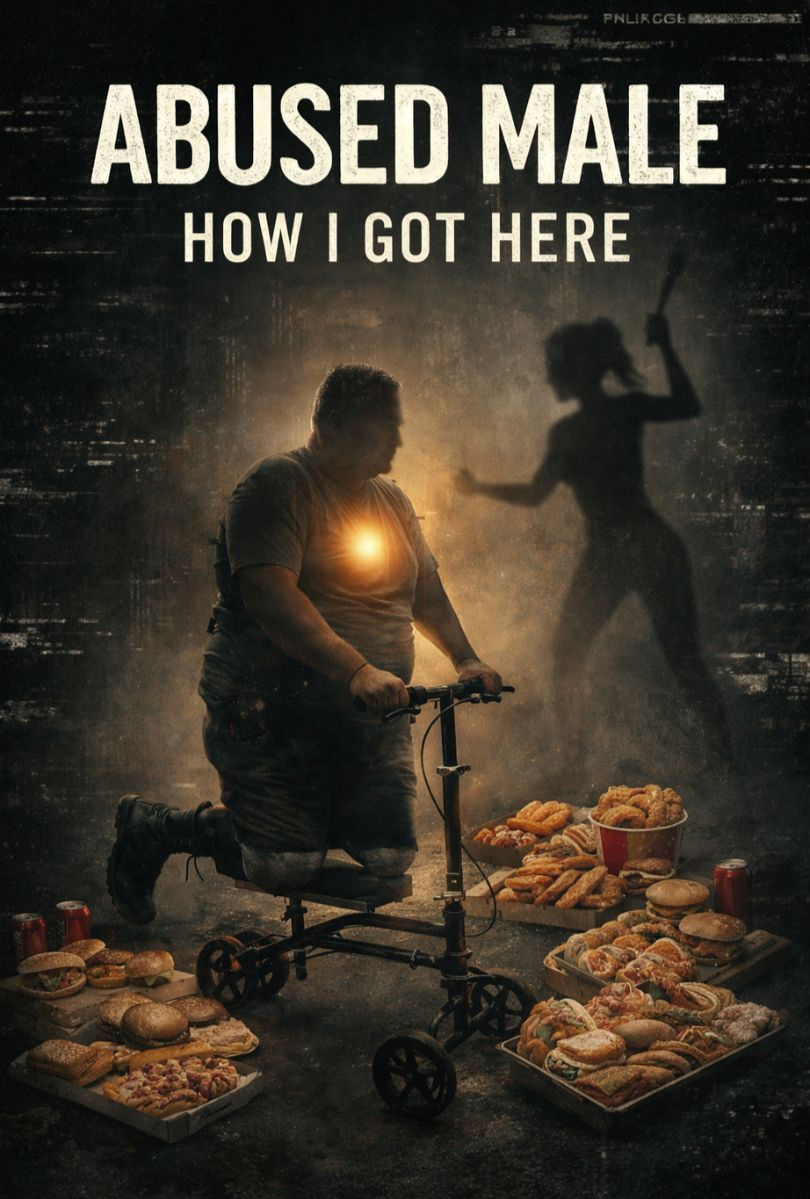
When I wrote my first book, Abused Male – How I Got Here, I thought I was finally telling people what had happened to me. Looking back now, I think I was only telling half the story. Since the book came out, I've read many books written by survivors, psychologists, and advocates. They've helped me in ways I can't adequately express.
They gave me language for experiences I didn't know how to describe. Words like trauma bonding, gaslighting, coercive control, and complex trauma all helped me understand my past.
But the more I read, the more one question stayed with me. What was I thinking while I was living it? Not after I escaped, not after therapy, not after I had learned all the terminology. Back then, while I was being abused, I wasn't thinking, I'm trauma-bonded. I was thinking, maybe tomorrow will be different. I wasn't thinking, She's manipulating me. I was thinking, If I could just help her, maybe we'd both be okay.
Those thoughts weren't irrational to me at the time. They were simply the reality I had built my life around. That's why I've stopped comparing stories: one person may have been hit; another may never have experienced physical violence. One person may have been financially controlled; another emotionally isolated. Someone else may have spent years believing they were slowly losing their mind.
I don't think healing begins by asking whose story was worse; I think it begins by asking a different question.
What did my experience teach me to believe about myself?
That question changed everything for me. For years I believed I had to earn love; I believed that if I sacrificed enough, fixed enough, worked harder, made more money, or simply endured a little longer, everything would somehow become okay. Those beliefs shaped how I responded to the abuse. That's why my second book is taking a different direction than my first. I'm not interested in retelling horror stories. They happened, and I don't minimize them. But I think the more important story is what was happening inside my own mind while all of that was taking place.
What stories had I accepted as truth? What parts of myself had I slowly abandoned, and perhaps the hardest question of all... Why did those stories feel so normal? Those are the questions I'm trying to explore now. Something else surprised me during this journey. Before writing my first book, I thought healing meant remembering. Now I think it also means learning how to express what you've discovered. For me, that hasn't always been easy. Trauma doesn't always leave your thoughts in neat paragraphs. Mine often arrive scattered, fragmented, and connected through patterns that make perfect sense to me but are difficult to explain to someone else. Ironically, AI has become one of the most valuable tools I've ever used—not because it tells me what to think, but because it helps me organize what I'm already thinking.
If someone could read the conversations I've had with AI over the past year, they'd probably laugh. They're messy. I jump from freight to Jung, from software to abuse, from Hermetics to logistics, sometimes all within the same conversation. The ideas are mine, and the experiences are mine, leaving me with more questions. What AI has helped me do is slow those thoughts down long enough for me to hear myself more clearly. It didn't give me a voice. It helped me remove some of the noise that kept me from hearing my own. To me, that's where technology is at its best. Not replacing human beings but helping us become more fully ourselves. I am not promoting AI; I am realizing something that has always been inside of me, that I had trouble expressing, hence the right person(s) was able to take advantage of me.
That's also why I built AbusedMale.com differently. I didn't want to build another website. I wanted to build a place where someone could quietly ask themselves better questions. If someone finishes reading my work and remembers my story, I'll be grateful. But if they finish reading and begin seeing their own story a little more clearly...
Then I think I've accomplished what I set out to do. I leave you with this, of course, more questions than answers: “Who are you when no one is looking?”
— Jonathan Gloss
Author of Abused Male – How I Got Here
Founder, AbusedMale.com


Comments