When services see the distress but miss the abuse: Male victims, safeguarding and what we can learn from independent reviews
Updated: Oct 20
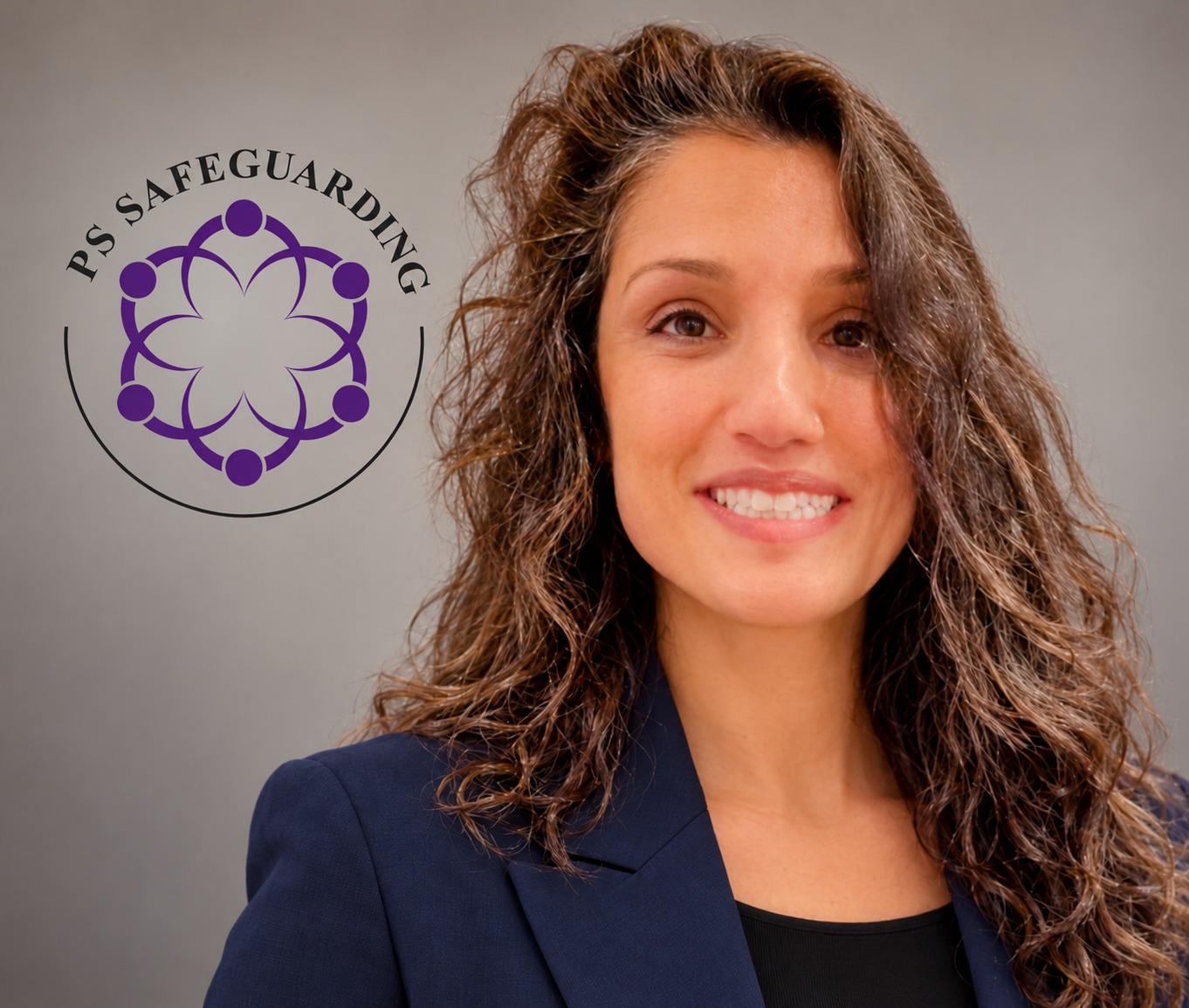
By Parminder Sahota
Independent safeguarding reviewer and founder of PS Safeguarding Ltd

A man can be known to several services without anyone fully understanding what is happening in his life.
His GP may be treating depression. Mental health services may be responding to a crisis. Police may have attended an incident at home. Each contact creates an opportunity to understand more, but the connections between those experiences can remain unexplored.
Through my work as an independent safeguarding reviewer, I have become increasingly interested in what happens when services recognise someone’s distress but do not identify the abuse that may be contributing to it.
Reviews involving male victims have brought that question into sharper focus for me: when a man comes into contact with services, what helps professionals recognise that he may be experiencing domestic abuse - and what gets in the way?
Looking across the person’s story
I am a Registered Mental Health Nurse with 29 years of experience across NHS mental health services, safeguarding and leadership. Through PS Safeguarding Ltd, I provide independent reviews, consultancy and professional learning.
I chair and author Domestic Homicide Reviews, Domestic Abuse Related Death Reviews and Safeguarding Adult Reviews. These examine the circumstances preceding a death or serious harm, how organisations responded and what needs to change.
My work involves bringing together information from services such as health, police, social care, housing and specialist organisations. I examine what was known, how it was understood and whether concerns led to effective action.
The person’s own experiences, alongside accounts from family members and others important to them, help give meaning to those records. Behind every chronology is someone whose life cannot be understood solely through appointments, assessments and referrals.
Reviewing events afterwards also requires care. What appears clear in hindsight may have been uncertain at the time. I need to understand the information available to professionals and the conditions in which they worked, while examining decisions and missed opportunities honestly.
The value of that work lies in identifying changes that could improve another person’s experience of services.
When abuse is difficult to name
A man experiencing domestic abuse may seek help because he cannot sleep, feels anxious, is struggling at work or has reached a point of crisis. He may describe arguments or difficulties in his relationship without using the word “abuse”.
That should not close the conversation. There is room to explore whether he feels safe, whether someone controls his money or contact with others, and whether he fears the consequences of speaking openly. Understanding what happens when he disagrees with his partner may reveal more than a general question about how the relationship is going.
Professionals also need to consider whether their expectations influence what they hear. Physical strength, confidence, employment or apparent independence cannot establish whether someone is safe within a relationship.
Someone may speak clearly about other parts of their life while finding abuse difficult to explain. They may minimise what is happening or be uncertain whether it warrants help. A thoughtful response gives them time and space to describe their circumstances without requiring them to arrive with the right terminology.
Connecting information over time
One issue that shapes my work is how easily information becomes separated across services - and across different contacts within the same service.
A disclosure may be recorded but have little influence on later decisions. Repeated incidents may be treated as separate events. A missed appointment may be described as disengagement without exploring what prevented attendance.
Considered together, worsening distress, increasing isolation and repeated incidents at home may raise questions that none of those events prompted individually.
This is what I mean by looking at cumulative harm: considering how experiences build over time and what their combined effect means for the person’s safety and wellbeing.
It requires more than collecting information. Practitioners need to interpret it, revisit earlier assumptions and agree who will act when the picture becomes more concerning.
Family members and trusted supporters may also notice changes that services have not seen. Their accounts need thoughtful consideration, with attention to the person’s wishes, confidentiality and the safety of involving others.
Understanding the context of a mental health crisis
My mental health background makes me particularly interested in how services explore domestic abuse when someone presents with distress, self-harm or suicidal thoughts.
A mental health assessment needs to understand the circumstances in which that distress developed. Abuse may be contributing to a crisis, interacting with existing difficulties or restricting someone’s access to support.
For male victims, I want us to examine whether there are safe, private opportunities to discuss those experiences and whether a disclosure changes the help that follows.
Suicide has complex, individual circumstances, and reviews must be careful about causal conclusions. They can, however, examine whether domestic abuse was present, what agencies knew and whether support addressed the person’s wider situation.
Treating distress and understanding its context are connected responsibilities.
What professional records cannot tell us
A record can tell me that support was offered. It may say much less about whether the person felt able to accept it. An entry describing someone as “declining help” may leave unanswered questions. Was the support suitable? Could they access it safely? Had an earlier experience affected their confidence in the service?
This is why listening to survivors matters so much. Their experiences can help explain what is missing from professional accounts: how difficult disclosure felt, what made a conversation helpful, and what left them feeling unheard.
That is what interests me in conversations with Jared Whitaker. I want to explore how questions emerging from statutory reviews relate to what men describe about their own experiences of seeking help. Those perspectives can inform each other, helping us understand both how services responded and how that response was experienced.
Why I developed LOOK
My interest in cumulative harm informed the development of the LOOK Safeguarding Framework® through PS Safeguarding. LOOK gives practitioners four connected areas to explore:
Living Circumstances: the person’s relationships, environment and everyday life.
Obstacles and Barriers: what may prevent disclosure, access to support or continued contact with services.
Ongoing Risks and Escalation: patterns of harm and changes in risk over time.
Keeping the Person in View: the person’s experiences, wishes and safety throughout decision-making.
The framework complements existing safeguarding procedures and specialist assessments. It encourages practitioners to connect information and consider what it means for the individual.
For someone experiencing domestic abuse, that might involve understanding how control affects their ability to attend appointments, why contact with others has reduced, or whether a recent incident forms part of a longer pattern. Its intended contribution is to support professional curiosity and a fuller understanding of the person’s circumstances.
What would a better response look like
Review recommendations often call for greater awareness, more training or better information sharing. These actions need a clear connection to the problem the review has identified.
If abuse was missed, we need to understand what affected recognition. If information was shared, we need to examine why it did not influence decisions. If someone could not access support, we need to establish what prevented them from doing so.
Organisations then need evidence that the response has improved. An updated policy or completed training programme can show progress, but the more searching question is what happens when the next person seeks help.
For male victims, I would want to know whether they can speak privately, whether disclosures are taken seriously, whether appropriate support is accessible and whether agencies coordinate their actions when concerns span several services. These are practical changes against which learning can be assessed.
Being known and being understood
The gap between being known to services and being understood by them is central to my work.
Closing it takes careful listening and a willingness to reconsider an initial explanation. It also takes organisational support: practitioners need time, access to relevant information and clear arrangements for acting together.
My contribution is to examine where understanding broke down and help organisations translate that learning into a better response.
For a man experiencing domestic abuse, the first opportunity may be a conversation about sleep, anxiety or difficulties at home. What professionals ask - and how they listen - can help make it possible for him to say more.
About the author
Parminder Sahota is a Registered Mental Health Nurse, independent safeguarding consultant and founder of PS Safeguarding Ltd, with 29 years of experience across NHS mental health services, safeguarding leadership and multi-agency partnerships.
She chairs and authors Domestic Homicide Reviews, Domestic Abuse Related Death Reviews and Safeguarding Adult Reviews. Her work focuses on understanding cumulative harm and helping organisations translate review learning into improvements in practice.
Parminder is the developer of the LOOK Safeguarding Framework®.
Website: www.pssafeguarding.co.uk


Comments